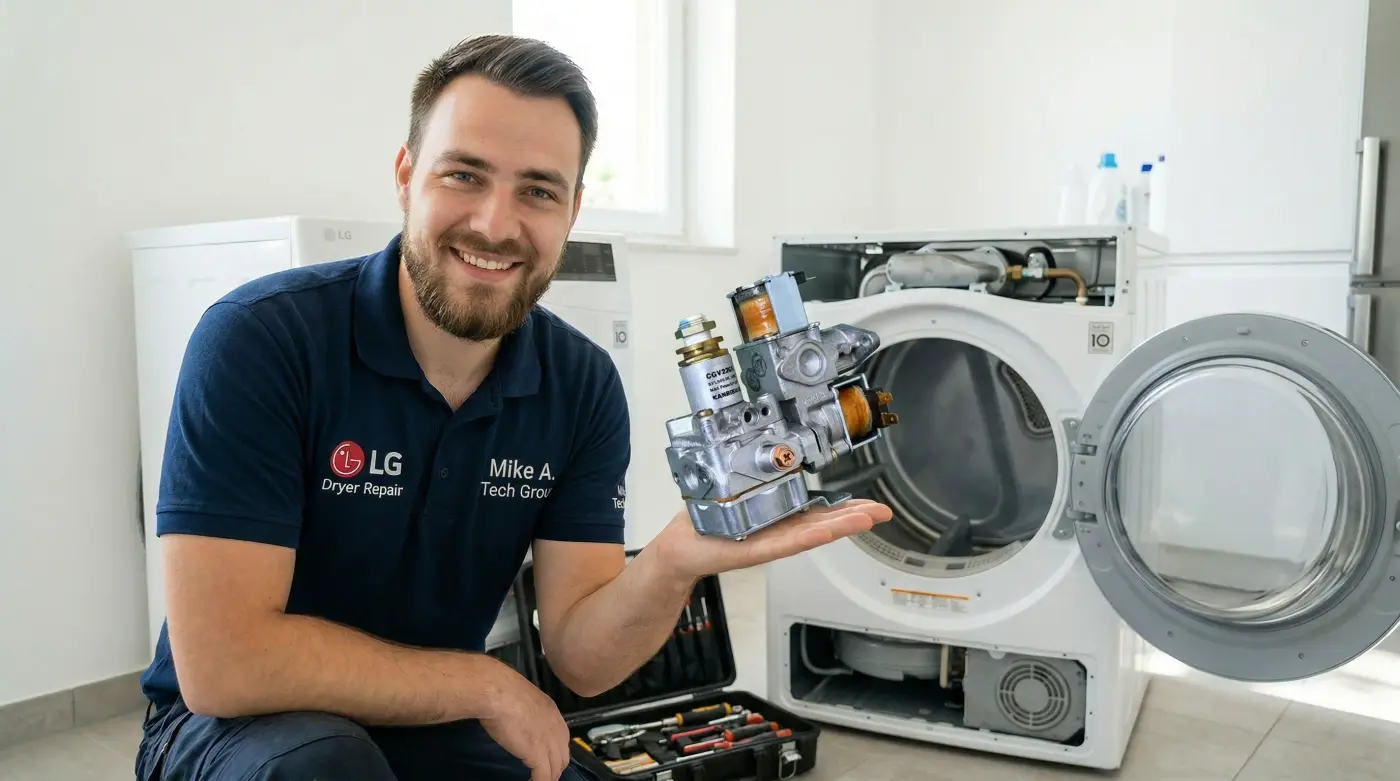
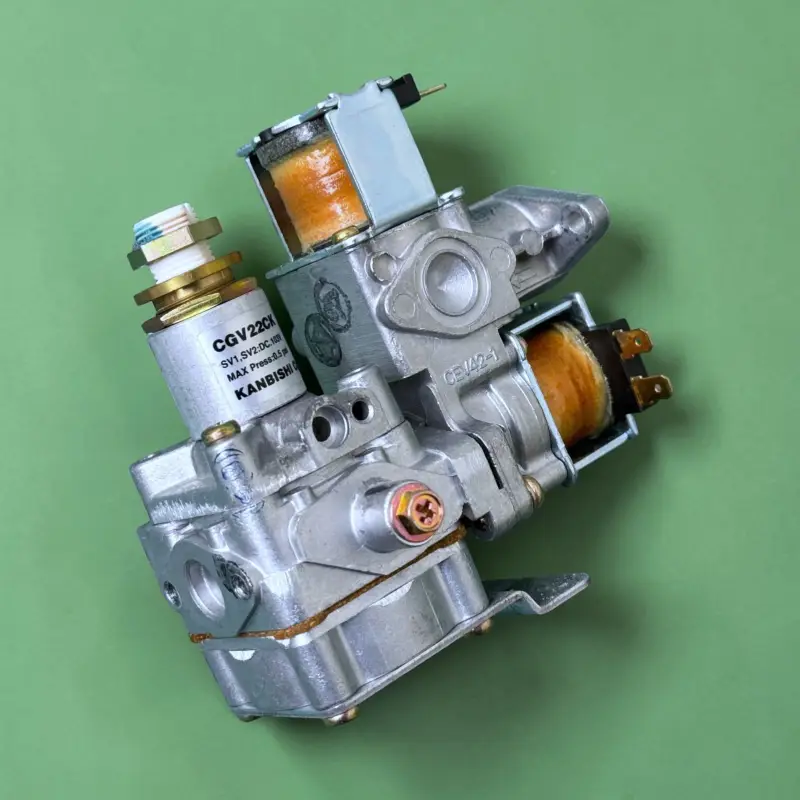
Replacing an LG gas dryer's valve runs $280–450 total — $280–340 for the solenoid coils alone, $380–450 for the full assembly — and takes our techs about 60–90 minutes. Our LG Dryer Repair techs test the thermal fuse and igniter first (both cheaper and more common), so you only pay for the valve if it's actually the valve — call (323) 990-7550.
Gas valve replacement is one of the less common repairs we do on LG dryers, but when it's the problem there's no workaround — the dryer simply won't heat until it's fixed. The gas valve controls the flow of gas to the burner on every cycle. When its solenoid coils fail, the valve won't open, the burner won't light, and you get a full cycle of cold air despite the drum spinning normally. We handle these calls across Los Angeles County, Orange County, and Ventura County. Worth saying upfront: gas valve failure produces the same symptom as igniter failure and thermal fuse failure. We test all three before we replace anything — you don't pay $380 for a valve when a $30 fuse was the actual problem.
Signs It Might Be the Gas Valve
Before we touch the valve, our LG Dryer Repair techs run the diagnosis in order of cost — thermal fuse ($15–30), then igniter, then the valve coils — because all three produce the same no-heat symptom and the fuse is the cheapest and most common cause.
The most common no-heat pattern we see on gas dryer calls: dryer starts, you hear a clicking sound during the first minute as the igniter cycles — then the clicking stops and the machine runs cold for the rest of the cycle. That clicking is the igniter and valve trying to fire. If the igniter is glowing orange but the gas isn't lighting, the valve coils have likely failed — the igniter reached ignition temperature, sent the signal to open the valve, but the valve didn't respond.
We also get calls in Burbank and Pasadena about dryers that heat inconsistently — sometimes works fine, sometimes runs cold, no predictable pattern. That's often a valve coil that's failing intermittently before it gives out completely. Intermittent valve failure is harder to catch than complete failure because the dryer behaves normally during some cycles.
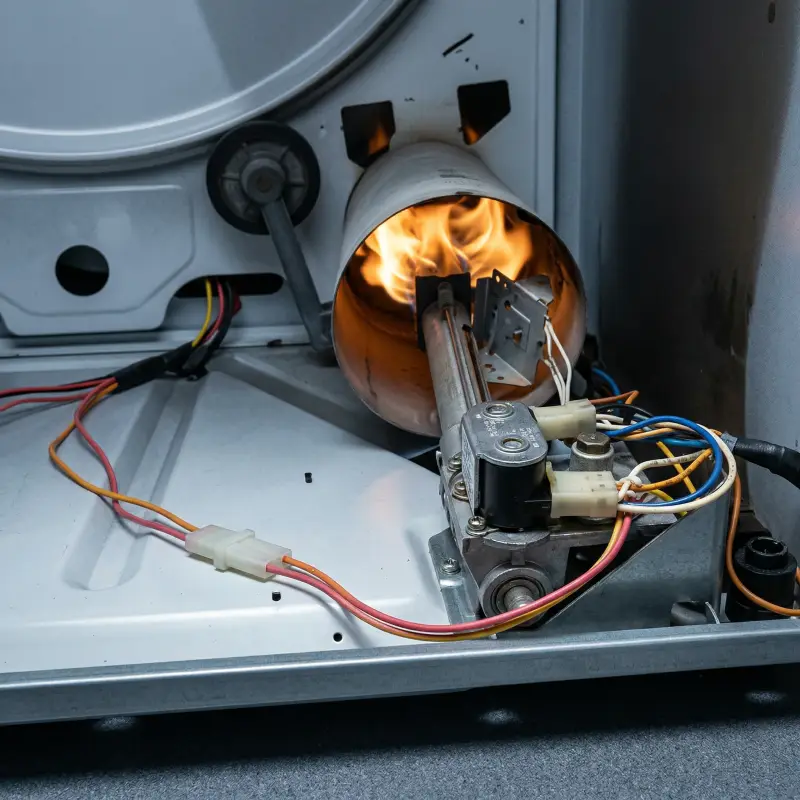
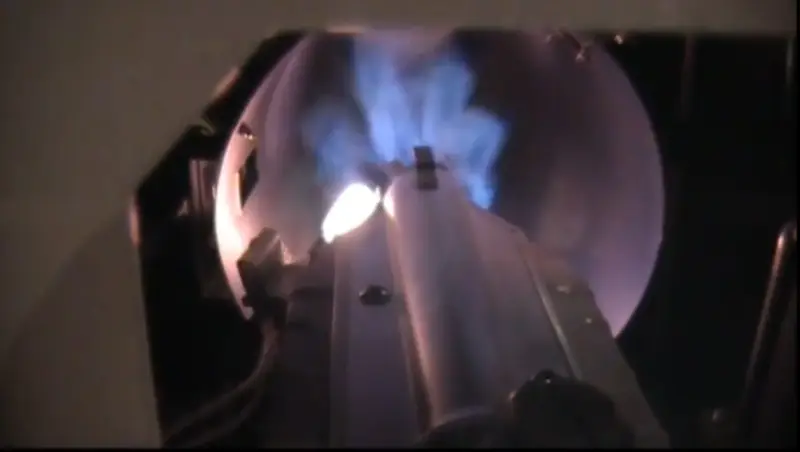
Two other symptoms that point specifically to gas valve issues rather than other components: a yellow or orange flame visible through the burner inspection port instead of the normal blue flame — that's incomplete combustion, a sign the gas flow isn't right. And sooting around the exhaust vent area, which indicates the same incomplete combustion over time. These are less common but important to know about.
If you're experiencing any of these symptoms, also check our LG dryer not heating guide for a full breakdown of all possible causes before calling us — it might help you describe what you're seeing more precisely when you do call.
Gas Valve vs Igniter vs Thermal Fuse — Our Diagnostic Sequence
All three components produce the same external symptom: drum spins, zero heat. Getting the diagnosis wrong means replacing an expensive part when a cheaper one was the actual problem. Here's the sequence we follow on every gas dryer no-heat call, and why we do it in this order:
First: thermal fuse. It's $15–30 and the most common cause of no heat on gas dryers. A blown fuse reads open on a multimeter in two minutes. If it's blown we replace it, clear the vent, and usually that's the whole job.
Second: igniter. We check continuity and look for the orange glow when the dryer tries to start. A working igniter glows visibly in a dark room. If it's not glowing or reads open, that's the problem — not the valve. Igniter replacement runs $280–350, significantly less than valve replacement.
Third: gas valve solenoid coils. If the fuse is good and the igniter is glowing, we test each coil for continuity. A failed coil reads open — the valve gets the electrical signal to open but physically can't. We've had jobs in Pasadena and Santa Monica where the igniter was glowing perfectly, fuse was fine, but the coils had failed and the gas simply wasn't flowing to the burner.
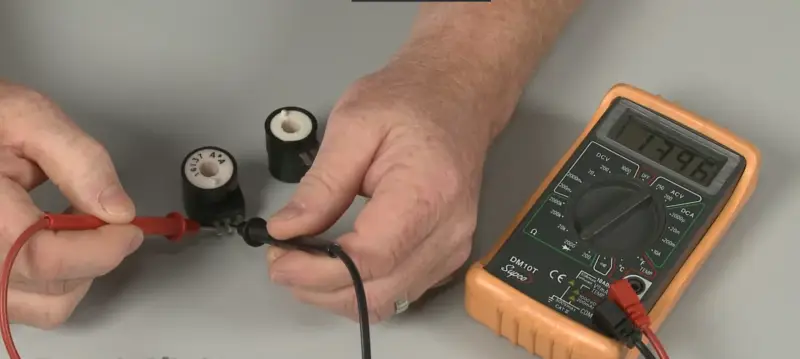
This sequence matters because it goes from least expensive to most expensive diagnosis. We don't skip steps to save time.
Coil Replacement vs Full Valve Assembly
On most LG gas dryers the solenoid coils are replaceable separately from the valve body — the coils are what actually fail, and replacing just the coils costs significantly less than the full valve assembly. Coil-only replacement runs $280–340 total. Full valve assembly runs $380–450.
When we find failed coils, we assess the valve body condition. On a newer machine the body is usually fine and coil replacement makes sense. On a machine that's 10+ years old or where the valve body shows wear, we may recommend the full assembly — replacing coils in a worn body often means a callback when the body fails a year later. We explain our reasoning on-site and you decide.
Gas Safety — What We Do on Every Gas Valve Job
Before we touch anything: gas supply off at the dryer shutoff valve, power disconnected. After installation: we pressure test every connection with an electronic gas detector and soapy water solution on all fittings — both methods, not just one. We verify the burner lights cleanly, holds a proper blue flame through a complete heat cycle, and the dryer reaches correct operating temperature.
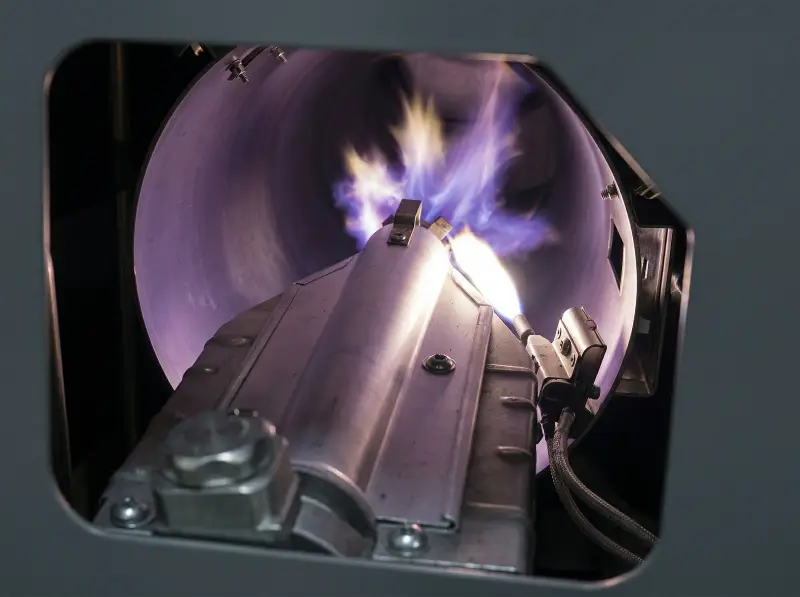
We also check exhaust vent flow on every gas dryer job. A restricted vent causes the dryer to run hotter than designed, which accelerates wear on the valve coils and igniter. And we verify the gas line shutoff valve at the wall is accessible and functional — we've found stuck shutoffs in Long Beach and Torrance that homeowners didn't know about. None of this is optional. It's part of working safely on gas appliances.
One more thing: if you ever smell gas near your dryer — not just no heat, but an actual gas smell — don't call us first. Shut off the gas at the wall valve, ventilate the room, and call your gas company. A gas odor is a different situation from a no-heat call and needs a different response.
What It Costs
Full gas valve assembly replacement runs $380–450 total for most LG gas dryers. The OEM valve assembly is $150–200. Labor is $200–230, which covers the gas safety protocol — shutoff, installation with fresh gaskets and rated thread sealant, electronic leak testing, and a complete heat cycle verification. The $65 diagnostic fee is waived when you approve the repair.
Coils only replacement: $280–340 total. Coils are $80–120, same labor rate. We'll quote clearly which repair we're recommending and why after we've tested the system.
If testing shows it's actually the igniter ($280–350) or thermal fuse ($280–350) rather than the valve, the estimate changes accordingly. You only pay for what's actually broken.
Every invoice we send includes a 10% discount code for your next service call. It's our way of saying thanks to returning customers — the code never expires and applies to any LG dryer repair we do at your home.
LG Gas Dryer Models We Work On
We replace gas valves on all LG gas dryer models — DLGX series (DLGX3471V, DLGX3571V, DLGX5001V), DLG series, and LG Signature gas models. Gas valve and coil specifications vary by model series — DLGX, DLE, and DLEX require specific assemblies with different gas port configurations. We confirm the correct parts before arrival. Give us your model number when you call.
Los Angeles County, Orange County, Ventura County
Our technicians cover all three counties. Los Angeles County — Beverly Hills, Santa Monica, West Hollywood, Pasadena, Burbank, Glendale, Long Beach, Torrance, Malibu, Calabasas. Orange County — Irvine, Newport Beach, Laguna Beach, Mission Viejo, Yorba Linda, Laguna Niguel. Ventura County — Thousand Oaks, Moorpark, Westlake Village, Camarillo, Simi Valley, Newbury Park.
Monday through Saturday 8am–7pm, Sunday 9am–5pm. Same-day service, most areas 2–4 hours from your call.
Related repairs: Igniter Replacement · Thermal Fuse Replacement · LG Gas Dryer Repair · Full Pricing Breakdown
Questions We Get on These Calls
My LG gas dryer has no heat — is it the gas valve?
It might be, but it's third on our diagnostic list. We check thermal fuse first ($15–30 part), then igniter ($45–85 part), then gas valve coils ($80–120) — in that order, cheapest to most expensive. All three produce the same no-heat symptom. We test before we replace anything so you only pay for what's actually broken.
Can I smell gas during normal dryer operation?
No. A brief faint gas smell at the very start of a cycle as the burner lights is normal. Persistent gas odor at any point is not. If you smell gas: shut off the gas supply at the wall valve, open windows, leave the house, and call your gas company first. Then call us after they've cleared the situation. Do not run the dryer, do not flip switches, do not use the phone inside the house.
What's the difference between coil replacement and full valve replacement?
The solenoid coils are the components that actually fail and they're replaceable separately. On newer machines we replace just the coils — cheaper, same result. On older machines where the valve body itself shows wear, we may recommend the full assembly. We explain our reasoning on-site with the diagnosis in hand.
Do all LG gas dryer models use the same valve?
No — DLGX, DLE, and DLEX series use different valve assemblies with different gas port configurations. Using the wrong valve is a safety issue, not just a performance one. We confirm the exact specification from your model number before we arrive.
How long does gas valve replacement take?
60–90 minutes on-site — coil replacement on the shorter end, full assembly on the longer end. We run a complete heat cycle and verify proper blue flame before we leave.
Can you come today?
Yes — call (323) 990-7550. Same-day service across Los Angeles County, Orange County, and Ventura County, typically 2–4 hours from your call.
Can I replace an LG dryer gas valve myself?
We don't recommend it. Gas valve work means disconnecting and resealing a gas line, and a fitting that feels tight but leaks is a serious hazard — the soap and electronic leak test we run after every install is exactly what catches that. Coil-only replacement is lower risk where the coils unplug without touching the gas fittings, but full-assembly work should go to a licensed tech. Our LG Dryer Repair techs are licensed with the Bureau of Household Goods and Services (#49573).
Is it worth replacing the gas valve or buying a new dryer?
For a gas dryer under 10 years old, yes — $280–450 versus $800–1,500 for a new gas dryer, and a well-maintained LG gas dryer runs well over a decade. The $65 diagnostic is waived when you approve the repair, and we'll give you the honest math on-site if an older machine has multiple failing parts.